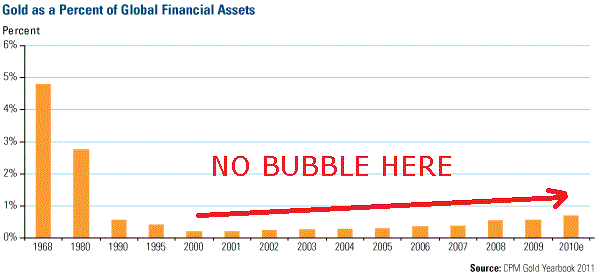
Nothing is quite broken yet.
JPM's numbers did not thrill the markets this morning.


"Unhappy people are better off living in the city. A person can live in the city for a hundred years and not even realize that they are already dead and rotting. They don't have time to realize this on their own; they are too busy."
Leo Tolstoy, The Kreutzer Sonata, 1889


Rolling Stone
The Real Housewives of Wall Street
By Matt Taibbi
April 12, 2011 9:55 AM ET
America has two national budgets, one official, one unofficial. The official budget is public record and hotly debated: Money comes in as taxes and goes out as jet fighters, DEA agents, wheat subsidies and Medicare, plus pensions and bennies for that great untamed socialist menace called a unionized public-sector workforce that Republicans are always complaining about. According to popular legend, we're broke and in so much debt that 40 years from now our granddaughters will still be hooking on weekends to pay the medical bills of this year's retirees from the IRS, the SEC and the Department of Energy.
Why Isn't Wall Street in Jail?
Most Americans know about that budget. What they don't know is that there is another budget of roughly equal heft, traditionally maintained in complete secrecy. After the financial crash of 2008, it grew to monstrous dimensions, as the government attempted to unfreeze the credit markets by handing out trillions to banks and hedge funds. And thanks to a whole galaxy of obscure, acronym-laden bailout programs, it eventually rivaled the "official" budget in size — a huge roaring river of cash flowing out of the Federal Reserve to destinations neither chosen by the president nor reviewed by Congress, but instead handed out by fiat by unelected Fed officials using a seemingly nonsensical and apparently unknowable methodology...
Read the rest of this story here.

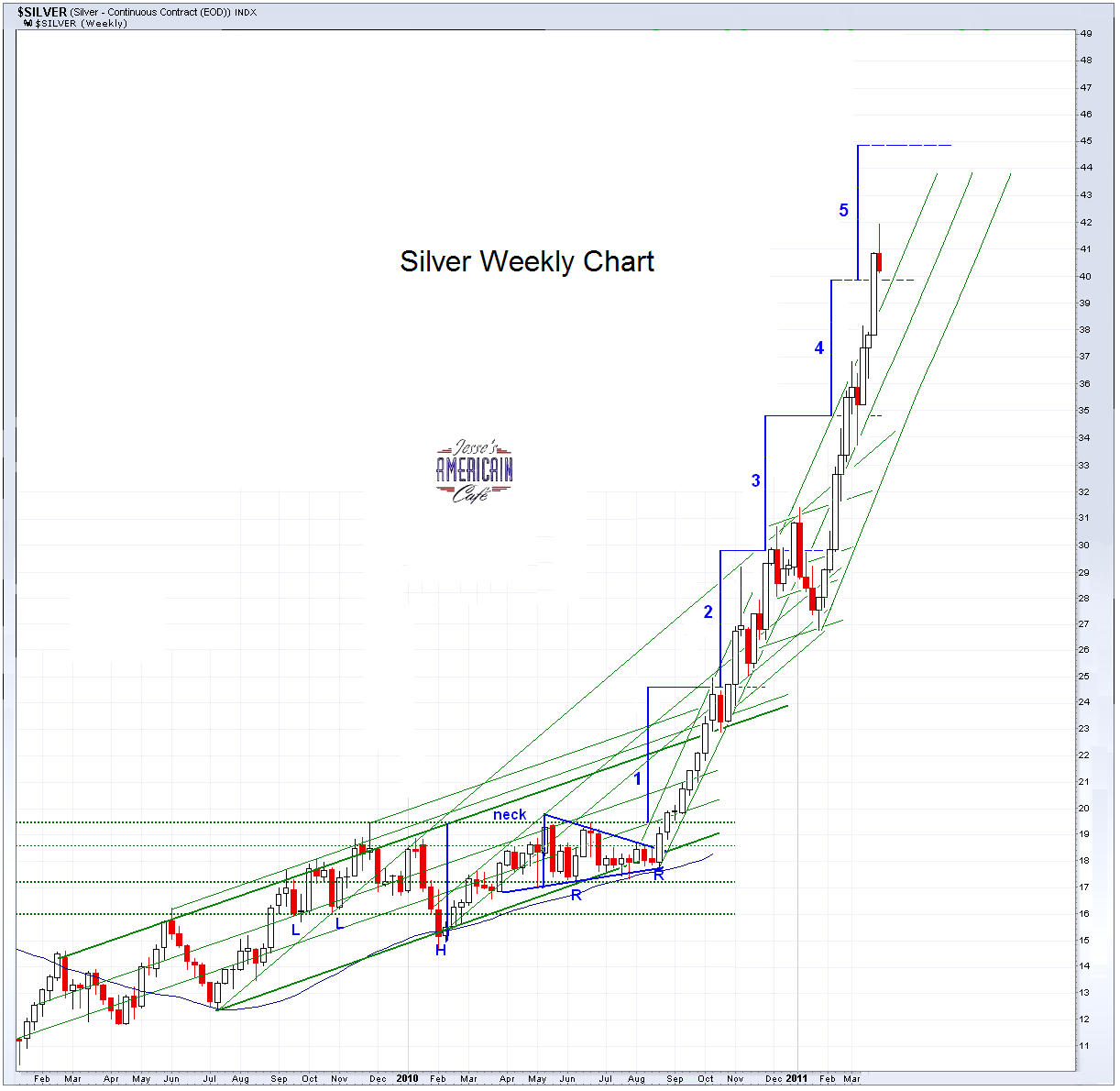


1. resisting financial and political reform which caused the crisis in the first place. Three years after the crisis and no major player has even been indicted, the bonus system is flourishing again, and politicians are taking many millions in funds from the bankers and wealthy elite to promote their agendas.
2. blaming the victims, and compelling them to take the greatest pain of the bailouts, and continuing bailouts and subsidies to the financial class through spending reallocations. The bailouts and spending on the military industrial complex are crowding out the fundamental public functions of government.
3. shifting the impulse to reform from financial reform to 'tax reform' that further supports the monied interests. Cut taxes for the wealthiest as your primary agenda using a variety of deceptive means like promoting a consumption tax, or a flat income tax but with offshore havens and loopholes, so the burden falls most heavily on those who spend the greatest percentage of their labor on subsistence, their basic needs.
"What is good? All that increases the feeling of power, the will to power, power itself. What is bad? All that is weakness. What is happiness? The feeling that power is growing, that resistance is overcome. Not contentment, but more power; not peace at all, but war; not virtue, but efficiency. 'The weak and the flawed shall perish' is the first principle of our charity. And one should help them to perish. What is more harmful than any vice? Christian love." Nietzsche, The Antichrist
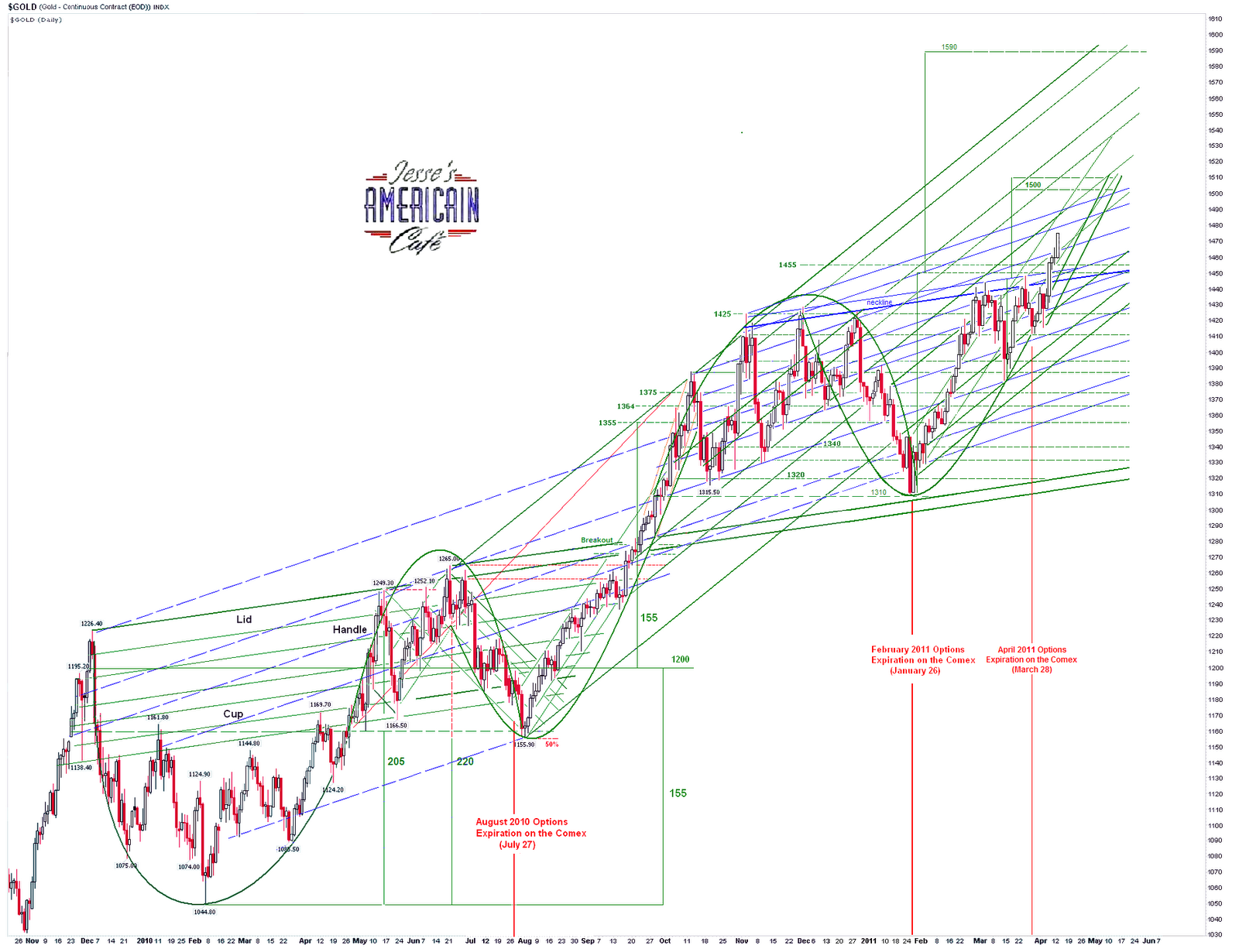


“False greatness is unsociable and remote: conscious of its own frailty, it hides, or at least averts its face, and reveals itself only enough to create an illusion and not be recognized as the meanness that it really is. True greatness is free, kind, familiar and popular; it lets itself be touched and handled, it loses nothing by being seen at close quarters; the better one knows it, the more one admires it.”When justice finally comes, hell is coming with it.
Jean de la Bruyere